Complete Tree Removal & Care in San Diego for Commercial Properties
Revolutionize Your Outdoor Space: An In-Depth Look into Tree Services and Professional Tree Care
Enhancing outdoor spaces is a complex process that requires a profound understanding of tree services and expert care. Trees play a critical role in improving aesthetics and promoting environmental balance. From routine maintenance to emergency removal, each aspect contributes to the overall health of the landscape. However, the nuances of tree care can be complicated. What essential factors should one consider to secure a thriving outdoor environment?
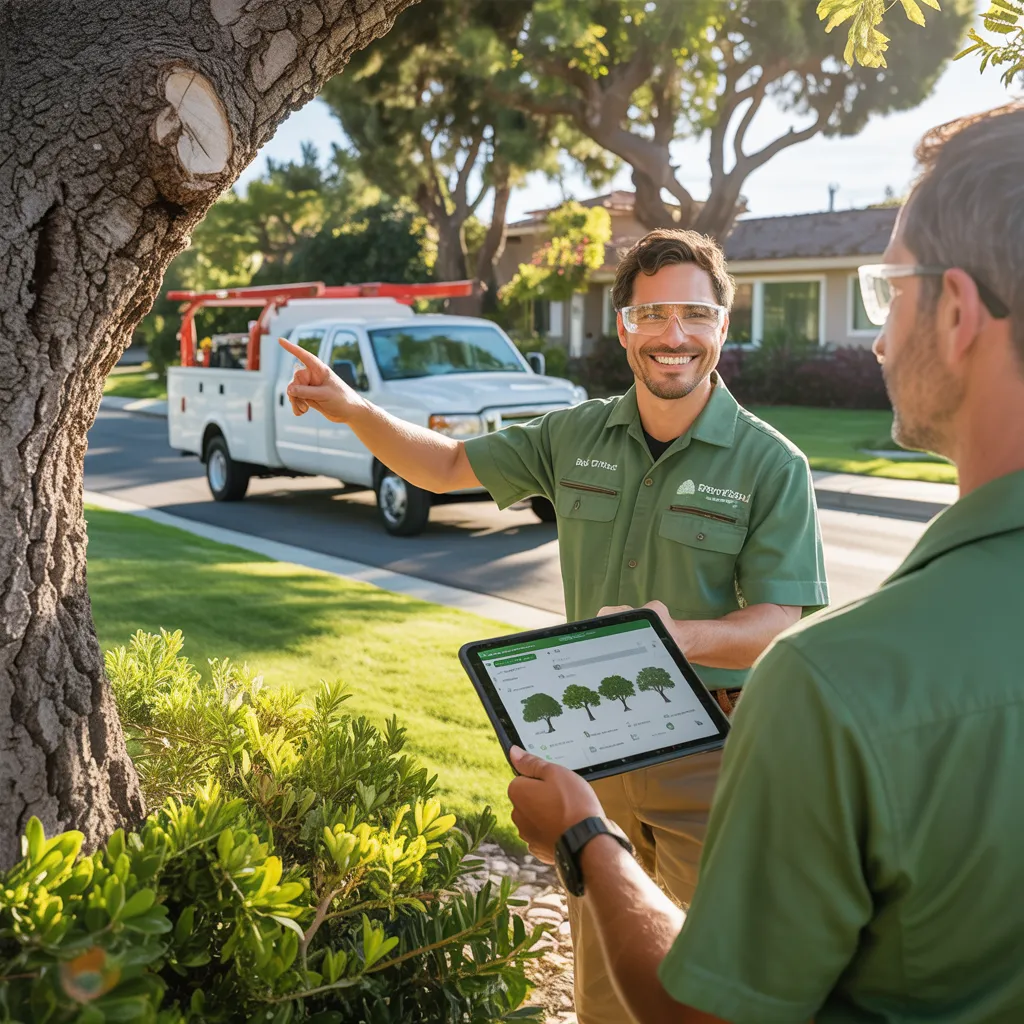
Understanding the Importance of Tree Care
While frequently neglected, tree care is vital for maintaining both the condition of individual trees and the overall ecosystem. Trees play a crucial role in delivering oxygen, improving air quality, and supporting wildlife habitats. Appropriate care guarantees that trees can flourish, resist diseases, and adapt to environmental changes. Ignoring tree care can lead to numerous issues, such as pest infestations, structural deficiencies, and reduced lifespan.
Moreover, expertly maintained trees increase property value and bring aesthetic beauty. They also aid in soil conservation and water management by preventing erosion and preserving moisture levels. Understanding the value of tree care extends beyond individual trees; it covers the wider ecological framework that supports biodiversity and climate regulation. By focusing on tree health, communities can foster a sustainable environment, assuring that future generations enjoy the extensive advantages trees provide. As a result, investing time and resources into tree care is an important aspect of responsible environmental stewardship.
Ongoing Maintenance and Pruning Strategies
Routine maintenance and effective pruning techniques are essential for the health and longevity of trees. Understanding various pruning methods can boost growth and structure, while creating maintenance routines ensures trees receive appropriate care. Together, these practices support a thriving landscape and knowledgeable tree management.
Pruning Methods Clarified
Pruning serves a vital function in maintaining the vitality and appearance of trees. Different approaches exist, each serving particular needs. The thinning method requires carefully cutting away branches to enhance light penetration and air circulation, promoting overall tree vigor. In contrast, the heading method focuses on shaping the tree by cutting back branches to a specified point, encouraging denser foliage. Reduction pruning, which shortens branches to decrease size while retaining the tree's natural form, is beneficial for managing growth. Finally, rejuvenation pruning is employed on overgrown trees, substantially cutting back branches to stimulate new growth. Understanding these techniques empowers property owners to enhance their landscape while guaranteeing the longevity and beauty of their trees.
Why Maintenance Schedules Matter
Creating a maintenance schedule is crucial for guaranteeing the long-term health and vigor of trees. Regular maintenance, including pruning, fertilization, and pest management, assists in recognizing issues early, promoting vigorous growth and minimizing disease risk. Pruning techniques, suited to the species and age of the tree, enhance air circulation and sunlight penetration, leading to healthier foliage. Additionally, routine inspections allow for timely interventions, such as removing dead or diseased branches before they pose hazards. A well-structured maintenance schedule not only lengthens the life of trees but also ensures their aesthetic appeal, contributing positively to the landscape. Ultimately, investing in systematic tree care fosters a thriving outdoor environment that benefits both property owners and the surrounding ecosystem.
Emergency Tree Removal Help
During emergency circumstances, emergency tree removal services play an essential role in maintaining safety and stopping property destruction. When intense weather patterns, such as windstorms or hurricanes, cause trees to become unstable, the risk of collapsing trees or branches grows substantially. This volatile situation requires immediate action by skilled technicians.
These services are equipped to evaluate the circumstances rapidly, establishing the ideal course of action to clear unsafe trees or limbs safely. This necessitates expert equipment and techniques to limit risk to surrounding structures, vehicles, and residents.
Emergency tree removal also addresses problems such as blocked access points or damaged utility systems, which can intensify crisis situations. Homeowners and property managers should maintain a reliable emergency tree service contact accessible, providing swift response times during critical episodes. In the end, these services are essential for maintaining a safe outdoor environment, especially important during unpredictable weather events.
Recognizing and Handling Tree Illnesses
Diagnosing and managing tree diseases is critical for sustaining the health and longevity of trees. Common tree diseases often show particular symptoms that can be detected through close observation. Recognizing these symptoms, combined with successful treatment and prevention strategies, is essential for any tree care program.
Widespread Tree Diseases
In what ways can tree owners recognize and handle the countless diseases that endanger the health of their trees? Common tree diseases, like oak wilt, Dutch elm disease, and root rot, pose significant risks to tree vitality. Every one of these diseases has specific causative agents, often including fungi and bacteria that penetrate tree tissues. Tree owners need to be vigilant, as early detection is vital for efficient management. Appropriate cultural practices, such as maintaining tree health through sufficient watering and pruning, can reduce disease risks. Moreover, employing integrated pest management strategies aids in controlling disease spread. Working with certified arborists can offer valuable insights into particular tree vulnerabilities and treatment options, ensuring trees remain resilient and thriving in their environments.
Symptoms and Identification
Identifying symptoms of tree diseases is an important step for tree owners seeking to preserve the health and longevity of their trees. Common indicators include discolored leaves, which may show yellowing, browning, or spots, often indicating underlying issues. Drooping or drooping branches can indicate water stress or disease. Additionally, unusual growths such as galls, cankers, or fungal fruiting bodies may indicate specific infections. A noticeable increase in insect activity can also be evidence of tree distress. Overall, changes in bark texture or color, together with premature leaf drop, are vital symptoms to monitor. Early detection of these signs enables owners to seek appropriate guidance, ensuring trees receive timely care before conditions worsen.
Treatment and Prevention Techniques
When property owners observe signs of tree distress, taking swift action through proven treatment and prevention methods is essential for maintaining tree health. Correct assessment is the primary step, frequently needing expert assessment to identify the exact disease affecting the tree. Common treatment methods include targeted pruning, the application of fungicides or insecticides, and enriching soil conditions to enhance tree resilience. Proactive steps should also be given priority, such as consistent observation for early signs of disease, guaranteeing proper watering and fertilization, and sustaining appropriate spacing between trees for adequate air circulation. Moreover, educating oneself about regional pests and diseases can enable tree owners to implement proactive strategies, ultimately fostering a healthier and more vibrant outdoor environment.
Picking the Right Tree Service Professional
Choosing the right tree service professional can significantly affect the health and longevity of your trees. When looking for a qualified arborist or tree care service, individuals should focus on credentials and experience. A reputable professional typically holds certifications from accredited see the full story organizations, guaranteeing they are trained in the latest techniques and safety protocols.
It is advisable to ask for references and assess previous work to evaluate the quality of service provided. Furthermore, getting multiple quotes can assist with assessing market rates and services provided. Prospective clients should also question insurance coverage, as this shields against potential liabilities during tree work.
Clear communication is essential; a quality tree service provider will pay attention to the client's needs and deliver detailed explanations of their methods. Ultimately, selecting a knowledgeable and reliable tree service can contribute to healthier trees and a more beautiful landscape.
Enhancing Your Landscape Using Tree Planting and Care
Integrating trees into a landscape not only improves its visual attractiveness but also supports environmental health. Trees deliver shade, reduce energy costs, and enhance air quality, making them essential for any outdoor space. Appropriate tree planting and care are essential for securing their longevity and impact.
Choosing the right species for the specific climate and soil conditions is the first step in this process. Additionally, understanding the ideal planting techniques, such as depth and spacing, encourages healthy root development. Regular maintenance, including watering, pruning, and pest management, confirms trees flourish and integrate seamlessly into the landscape.
In addition, trees can provide privacy, serve as windbreaks, and attract beneficial wildlife. Partnering with professional tree care services can even more improve these benefits by providing expert advice and services tailored to individual landscapes. In the end, thoughtful tree planting and care convert outdoor areas into vibrant, sustainable environments.
Common Questions
What Is the Recommended Watering Frequency for Newly Planted Trees?
Trees that have been recently planted require deep watering once weekly during dry periods. During the initial growing season, maintaining steady moisture levels is crucial. Observing moisture levels in the soil helps assess the need for supplemental watering.
Is It Possible for Tree Roots to Damage My Foundation?
Absolutely, tree roots can compromise foundations. As they grow, roots may exert pressure on structures and soil, possibly leading to cracks or shifting. Proper tree placement and regular inspections can help mitigate these risks.
What Symptoms Indicate a Dying Tree?
Indicators of a dying tree include discolored or wilting leaves, significant leaf drop, dead branches, fungus growth, and cracks in the bark. Additionally, a visible lean or soft spots in the trunk may suggest deterioration.
Do Certain Trees Work Better in Small Yards?
Particular trees, including Japanese maples, dogwoods, and dwarf varieties, are ideal for small yards. They provide beauty without overwhelming restricted space, supplying shade and beauty while maintaining practical growth and care requirements.
How Do I Compost Fallen Leaves Safely?
To properly compost fallen leaves, you should layer them with green materials, keep moisture levels consistent, turn the pile regularly, and monitor temperature. This method ensures effective breakdown while preventing issues like mold and pests.